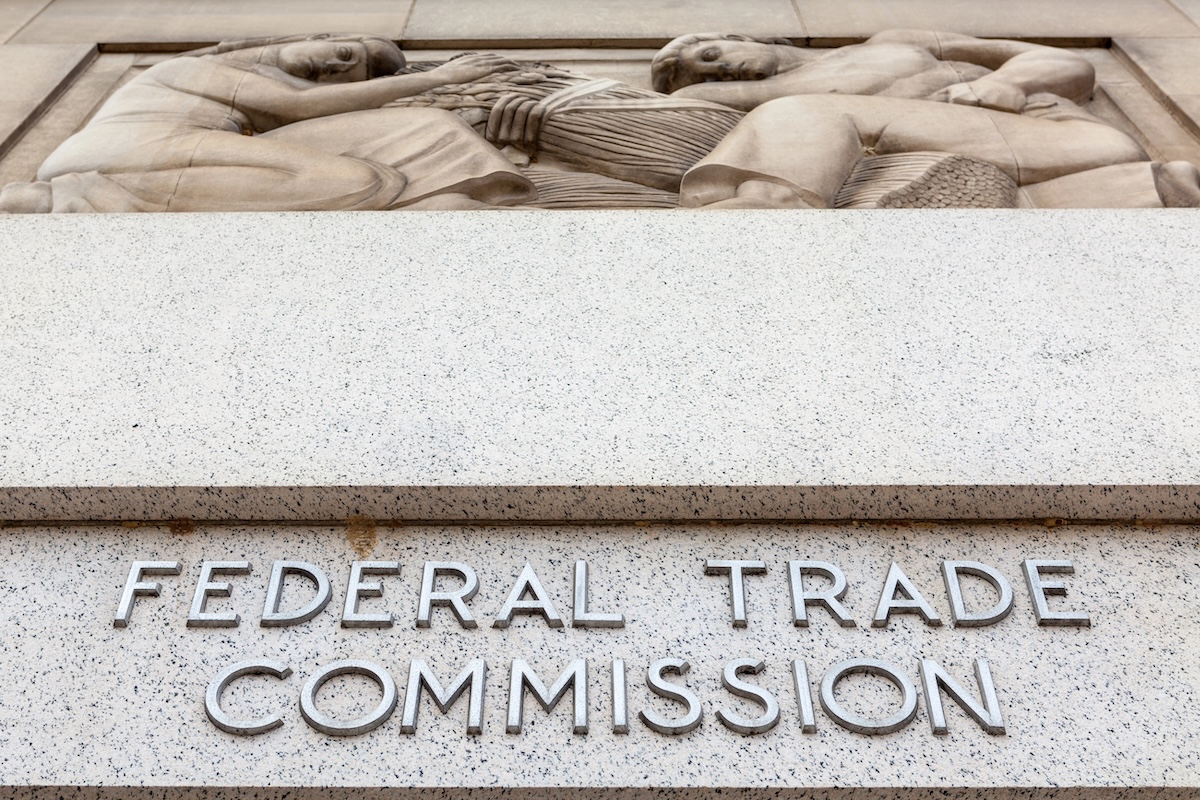
Student loan scammers are getting bolder and federal regulators are cracking down. This week, the FTC shut down an $8.8 million operation that impersonated the Department of Education to trick borrowers into paying for fake loan forgiveness programs.
Meanwhile, Louisiana lawmakers rejected a controversial proposal that would have turned the state’s merit scholarship into a potential debt trap, and new data painted a sobering picture of the financial pressures facing higher education — from a projection that more than 400 private colleges could close within the next decade, to research confirming that the pandemic’s damage to college enrollment is still being felt years later.
Here’s a quick look at the most important stories shaping higher education and student finances this week for April 24, 2026.
🎓 Headlines at a Glance
- FTC shuts down an $8.8 million student loan forgiveness scam that impersonated the Department of Education.
- Louisiana lawmakers vote down a bill that would have required students to repay TOPS scholarships.
- A new projection finds 442 private colleges are at risk of closing or merging within the next decade.
- NBER research confirms COVID-era remote learning is still dragging down college enrollment — especially at low-income schools.

Would you like to save this?
1. FTC Shuts Down $8.8 Million Student Loan Forgiveness Scam
The Federal Trade Commission obtained a temporary restraining order to halt a California-based student loan scam that allegedly collected $8.8 million from borrowers since 2022.
The FTC’s complaint alleges that NERD Solutions Inc. and ED REF Inc. cold-called thousands of borrowers (ncluding many on the National Do Not Call Registry) and falsely claimed to be affiliated with the U.S. Department of Education or borrowers’ actual loan servicers. The operation promised fast-track loan forgiveness and charged upfront monthly fees as high as $1,400 for services that never materialized.
The case is notable as one of the first major enforcement actions using the FTC’s newly finalized Government and Business Impersonation Rule. A federal court in the Central District of California entered the restraining order on April 13, freezing the defendants’ assets while the case proceeds.
➡️ Impact: Confusion around student loan repayment changes (including the end of the SAVE plan, the new RAP transition, and shifting deadlines) has created fertile ground for student loan scammers.
The FTC’s message is clear: legitimate student loan programs are free to apply for through StudentAid.gov, and no company should ever charge you upfront fees for help with your federal student loans. If you receive an unsolicited call about your student loans, hang up.
2. Louisiana Votes Down Proposal to Require Students to Repay TOPS Scholarships
Louisiana’s House of Representatives voted down House Bill 385 by a decisive 38-62 margin on April 21, rejecting a proposal that would have required students to repay their TOPS scholarship money if they lost eligibility.
The bill would have applied to students graduating high school during or after the 2025-2026 school year. Students can lose TOPS eligibility for several reasons, including failing to maintain a minimum GPA or dropping below a 2.0 in any single semester. Under the proposal, even one bad semester could have triggered a repayment obligation.
TOPS is one of the largest state-funded merit scholarship programs in the country, with over $320 million invested annually. Supporters argued for greater taxpayer accountability, but critics warned the bill would have effectively turned a merit scholarship into a debt trap.
➡️ Impact: This is good news for Louisiana families. The bill would have added financial risk to a program designed to reduce it. No other state requires students to repay merit scholarship money they earned in high school, and Louisiana won’t be the first. The College Investor covered this bill when it advanced out of committee — this vote officially kills it.
3. New Projection: 442 Private Colleges at Risk of Closing Within a Decade
A new analysis from Huron Consulting Group projects that 442 of the nation’s 1,700 private, nonprofit four-year colleges and universities (enrolling a combined 670,000 students) are at risk of closing or being forced to close or merge within the next 10 years. More than 120 of those institutions are at the very highest risk.
The projection is based on enrollment trends, tuition revenue, assets, debt levels, and cash reserves. Many of the at-risk schools are small and rural — the types of institutions that often serve as the only nearby option for students in their communities.
The report lands just weeks after Hampshire College announced it would permanently close and Sterling College in Vermont began its final semester. Fewer than half of students at colleges that close go on to continue their education at another institution, according to a study by the State Higher Education Executive Officers Association. Of those who do re-enroll, fewer than half ultimately earn a degree.
➡️ Impact: For families evaluating colleges (especially smaller private institutions) financial health matters. Before committing, look at an institution’s enrollment trends, accreditation status, endowment size relative to its operating budget, and whether it has recently made significant staff or program cuts. The cost of choosing a school that closes before you graduate goes far beyond lost tuition.
4. NBER Study: COVID Remote Learning Is Still Dragging Down College Enrollment
A new working paper from the National Bureau of Economic Research confirms what many in higher education have suspected: pandemic-era remote learning continues to reduce the pipeline of students going to college.
The study, which analyzed data from more than 14,000 public high schools, found that when schools shifted to virtual instruction during the 2020-21 school year, FAFSA submission rates dropped by 4.2% and first-year college enrollment fell by 2.5%. ACT test-taking rates declined by 4.8%. The effects were three times larger at high-poverty schools.
The researchers attribute the gap to the loss of in-person guidance from school counselors, who play a major role in helping students complete financial aid forms and navigate the college application process — especially for first-generation students.
Both the SAT and ACT are still struggling to recover pre-pandemic participation levels. In 2025, 1.38 million students took the ACT, compared to 1.78 million in 2019, a gap of 400,000 test-takers.
➡️ Impact: This research reinforces how important school-based support is in getting students to and through college. If you’re a parent of a high schooler, don’t wait for the school to bring up the FAFSA or college applications — start the conversation early.
And if your student attends a school without a dedicated college counselor, resources like StudentAid.gov, your state’s higher education agency, and local nonprofits can help fill the gap.
Related Reading:
Editor: Colin Graves
The post This Week In College And Money News: April 24, 2026 appeared first on The College Investor.